
 Bring the body and the mind will follow
We all experience moments in our lives when we feel stuck and not quite sure how to move forward. Maybe we have made a major decision to for instance, get a dog. Despite feeling unsure about whether this is a good idea, we move forward anyway and take the necessary steps toward achieving this goal. We search animal shelter websites, get advice from friends, fill out an adoption application when we find the dog we want; and prepare our home for the arrival of our very own adorable pooch. By taking the steps needed to bring a dog into our home, we temper the anxiety we might feel about making such a major change in our lives. In this week’s Torah portion Yitro, the Israelites now free from slavery, have been wandering in the desert for three months. They now arrive at Mt. Sinai where they encamp, while Moses ascends the mountain to meet with God. When Moses arrives at his destination, God coaches him about what he should tell the Israelites. Make sure God says, to remind them of what I did to the Egyptians and how I bore the Israelites on eagle’s wings (Ex. 19:4). God tells Moses to also remind the Israelites that if they keep God’s covenant they will be to God: מַמְלֶ֥כֶת כֹּֽהֲנִ֖ים וְג֣וֹי קָד֑וֹשׁ, a kingdom of priests and a holy nation (Ex. 19:6) When he comes down from Mt. Sinai Moses calls the elders together and reveals all that God had said to him. When he finishes the elders call out: All that God has spoken we will do and more specifically in next week’s portion the people say, נַֽעֲשֶׂ֥ה וְנִשְׁמָֽע--Na’aseh v’nishma-- we will do and we will hear/understand.” (Ex. 24:7) While it may be more typical to listen to what someone tells you to do and then act on what you are told, the Israelites act on their promise to keep the Torah before they even understand what they are doing. Because of this, they temper the anxiety they might feel about making such a major change in their lives. In the next few weeks I will hopefully be given a chance to open my home to a shelter dog. While I may feel a little anxious about this undertaking I have as an example, the Israelites’ faith in God and their willingness to נַֽעֲשֶׂ֥ה וְנִשְׁמָֽע--Na’aseh v’nishma, to do and then to understand. In other words, if I bring my body my mind will follow. Shabbat Shalom, Ellie  God is never late
The slogan God is never late, reminds me of a similar 12-Step saying that goes something like: Not in our time but in God’s time. We may yearn to have a problem resolved, a pizza delivered, or see the end of a pandemic sooner rather than later, but often that isn’t the way things happen. Time and again we are left waiting and waiting for our desired outcome to materialize. Hoping to get what we want sooner rather than later, has little to do with when it actually happens. In this week’s Torah portion Beshalach, the Israelites depart Egypt and in so doing leave slavery behind them. But while they depart Egypt quickly, the route they take is not the quickest one to the Promised Land. That route would have meant traveling דֶּ֚רֶךְ אֶ֣רֶץ פְּלִשְׁתִּ֔ים , through the land of the Philistines (Ex. 13:17). Instead, God leads them on a more circuitous and difficult route, דֶּ֥רֶךְ הַמִּדְבָּ֖ר יַם־ס֑וּף , roundabout by way of the wilderness at the Sea of Reeds (Ex. 13:18). The text informs us God was concerned that if the Israelites took the short route where they surely would have fought the Philistines, they might have a change of heart and want to go back to Egypt. In addition, since the short path kept them close to Egypt, it would have been less complicated for the Israelites to return to a life of slavery. The Talmud tells us that there is a long way which is short and a short way which is long (BT Eruvin 53b). In other words, when something comes to us too quickly as opposed to being hard earned, we don’t always appreciate it. Sometimes the harder way of doing something turns out to be the better way. God may have taken the Israelites on the longer route to the Promised Land and God may be taking us on the longer route to becoming free of the Coronavirus, but in the end God is never late. Shabbat Shalom, Ellie  A journey of a thousand miles begins with the first step
As I write this 12-Step Torah, it is the evening of Wednesday January 20th, 2021-- inauguration day. In his inaugural address President Joe Biden noted how just a few days after violence sought to shake our Capitol’s very foundation, we have come together as one nation, under God, indivisible, to carry out the peaceful transfer of power. During this most challenging time in our country’s history, Inauguration Day is a day of hope and renewal; an opportunity to take a step towards healing our very battered country. In this week’s Torah portion, Bo, after 430 years of slavery in Egypt, the Israelites are on the precipice of freedom. With the killing of the Egyptian first-born the Pharaoh more emphatically than ever, presses the Israelites to leave Egypt; גַּם־צֹֽאנְכֶ֨ם גַּם־בְּקַרְכֶ֥ם קְח֛וּ כַּֽאֲשֶׁ֥ר דִּבַּרְתֶּ֖ם וָלֵ֑כוּ Also take your flocks and your herds, as you have said, and be gone. (Ex. 12:32) Feeling newly empowered, the Israelites depart quickly—so quickly that: וַיִּשָּׂ֥א הָעָ֛ם אֶת־בְּצֵק֖וֹ טֶ֣רֶם יֶחְמָ֑ץ the people took their dough before it was leavened, (Ex. 12:34) While the Israelites chose to leave Egypt, they could just as easily have decided to remain there. Better the devil you know than the God you don’t know. But after having witnessed numerous examples of God’s power, the Israelites elected to trust in God and take the first step towards freedom. Trust is how we can move forward as a country. Rather than turn inward, President Biden is urging us to foster trust by standing in the other person’s shoes. When we are willing to do that it becomes easier to take that first step together. As the Israelites discovered and as President Biden understands, a journey of a thousand miles begins with the first step. Shabbat Shalom. Ellie  Dwell on the problem and the problem gets bigger. Dwell on the solution, the solution gets bigger.
You know the old saying: when times get tough the tough get going. Not to state the obvious but as of late, times have been pretty tough. I suspect even the sturdiest of survivors, the toughest of the tough, have recently experienced days when they have struggled to stay positive and move forward in their lives. The trick of course, is to not let our problems get the better of us. In last week’s Torah portion Shemot, Moses is living with his family in Midian, where he is gainfully employed by his father-in-law Jethro as a shepherd. It’s a peaceful life which is soon turned upside down when God shows up and instructs Moses to lead the Israelites out of slavery and bring them to the Promised Land. Moses immediately finds reasons why he is not the right candidate for the job. After all, Moses says, I am כְבַד־פֶּ֛ה וּכְבַ֥ד לָשׁ֖וֹן, slow of speech and slow of tongue (Ex. 4:10) Plus, what if the Israelites don’t believe me? In this week’s Torah portion Vaera, Moses continues to dwell on why he is not the right guy to bring the Israelites out of slavery. Even so, he does tell the Israelites about God’s promise to free them from slavery and bring them to the Promised Land. But, just as Moses feared, the Israelites don’t believe him or listen to him. If the Israelites with their spirits crushed by cruel bondage (Ex. 6:9) don’t listen to me, Moses tells God, why in the world would Pharaoh listen to me? In the meantime, while Moses is dwelling on his problems, God is dwelling on solutions. You don’t think the Israelites will believe you? Show them these miracles I am about to show you. Surely, they’ll believe you after that. You’re slow of speech? Well, I’m the one who gave you the ability to speak. So go and I will help you speak and I will tell you what to say. As the story of the Exodus continues, Moses will keep relying on God for solutions but he no longer argues with God about why he is the wrong man for the job. Moses has slowly come to understand that if you dwell on the problem, the problem gets bigger. But, if you dwell on the solution, the solution gets bigger. Shabbat Shalom, Ellie 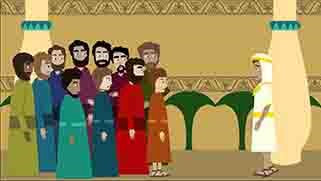 Guilt is the gift that keeps on giving
It is not unusual for most of us to feel guilty at various times over the course of our life. Those feelings of guilt can surface because of something we did or we think we did; for failing to do something we should have done; or for thoughts we have and believe to be morally wrong. But, while guilt may make us feel uncomfortable, it can also motivate us to apologize or fix a mistake we made. In last week’s Torah portion Vayeshev, Joseph ends up in prison. While there he correctly interprets the dreams of both the king’s cupbearer and baker. Based on his interpretations, the baker is executed but the cupbearer is released from prison and restored to his previous position. At the beginning of this week’s portion Miketz, Pharaoh has a series of dreams which his wise men and magicians are unable to interpret. The cupbearer recommends Joseph for the job. When Joseph successfully interprets Pharaoh’s dreams, he is appointed Viceroy of Egypt. In interpreting Pharaoh’s dreams, Joseph correctly predicts seven years of abundance followed by seven years of famine. During the years of abundance Joseph makes sure enough grain is stored to get through the lean years. When the famine sets in, people from all over the world come to see Joseph כִּֽי־חָזַ֥ק הָֽרָעָ֖ב בְּכָל־הָאָֽרֶץ, because the famine had become severe throughout the world (Gen. 41:57). One day all of Joseph’s brothers except Benjamin, show up looking for food. When they come before him to make their case, the brothers do not recognize Joseph. But, Joseph recognizes them and quickly puts his brothers to the test. He accuses them of being spies and orders them to leave one brother in Egypt, return home to their father and bring back their youngest brother Benjamin. Bemoaning their predicament, the brothers deem this to be payback for the harm they did to Joseph and their father so long ago. All these years Joseph’s brothers have been living not only with the guilt of what they did to their brother but also with the guilt of lying to their father about Joseph’s fate. Now, as they speak these feelings of guilt out loud, it appears the brothers regret their actions. This sense of remorse and despair they are feeling lingers into next week’s portion, as Joseph continues to test his brothers forcing them to sweat it out. After all, guilt is the gift that keeps on giving. Shabbat Shalom. Ellie |
Archives
October 2023
|
 RSS Feed